The recent backlash against the University Grants Commission’s equity guidelines reveals less about the guidelines themselves and more about our collective discomfort with accountability.
At its core, the question is simple: why should rules aimed at preventing discrimination provoke fear? Regulations designed to protect vulnerable groups usually offer reassurance, not panic. When they are met with resistance, it is worth asking what exactly is being defended.
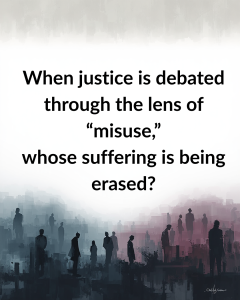
The debate has largely been framed around the possibility of misuse. Critics argue that equity guidelines could be weaponised through false complaints, particularly against those from dominant social groups. While procedural safeguards are a legitimate concern in any legal framework, this argument has disproportionately overshadowed the very reason these guidelines exist.
Data tells a different story. Official figures from the UGC show a steady and significant rise in reported cases of caste-based discrimination in higher education institutions over recent years. These complaints are not statistical anomalies; they indicate systemic shortcomings in how universities handle exclusion, bias, and unequal treatment. Each complaint represents not merely a grievance but a failure of institutional responsibility.
Yet public discourse rarely centres on these failures. Instead, it gravitates toward hypothetical misuse. This pattern is not new. When laws addressing sexual harassment or violence against women are introduced, the immediate counterargument often focuses on false cases rather than documented harm. The possibility of misuse becomes a convenient diversion, shifting attention away from entrenched injustice and toward the anxieties of those who fear scrutiny.
This rhetorical move has consequences. It reframes equity as a threat rather than a corrective. It subtly suggests that the discomfort of the powerful deserves more protection than the dignity of the marginalised. In doing so, it normalises the idea that justice must wait until everyone feels comfortable, a condition that has historically delayed reform indefinitely.
Equity guidelines do not presume guilt. They do not criminalise individuals. What they demand is transparency, process, and accountability from institutions that have long relied on informal hierarchies and silence. For those accustomed to unchecked authority or unexamined privilege, such demands can feel destabilising. But discomfort is not injustice.
The real question, then, is not whether laws can be misused. Any law can be. The question is why the absence of protection for those who suffer discrimination has been tolerated for so long without similar outrage.
A society serious about equality must be willing to accept scrutiny. It must recognise that dignity is not a concession granted by the powerful but a right owed to all. Equity guidelines are not an attack on merit or fairness; they are an acknowledgement that fairness has not been equally accessible.
If fear accompanies the pursuit of equity, it is worth examining whose fear it is, and why it speaks louder than the voices of those these guidelines seek to protect.